






Table of Contents
- Smart Car Technologies and Their Impact on Insurance
- Telematics: Monitoring Driving Behavior
- Autonomous Vehicles and Liability Shifts
- Cybersecurity Risks in Connected Cars
- Impact on Insurance Premiums
- Consumer Adoption and Privacy Concerns
- Future Trends in Auto Insurance
- Conclusion
As vehicles rapidly adopt advanced technology, the evolution of auto insurance has become a fascinating journey. With features like autonomous driving, telematics, and sophisticated sensors, smart cars are not only making roads safer but also prompting major changes in how insurance is evaluated, priced, and delivered. The integration of these technologies is reshaping longstanding practices in risk assessment and premium calculation, creating both advantages and challenges for consumers and insurers alike.
The dynamic nature of smart car technologies requires insurers to adapt their products and services continually. This has significant implications for everyone, from car owners to policy creators. Understanding how the smart vehicle revolution is transforming insurance can help drivers make more informed decisions and prepare for the future of mobility.
Consumers exploring related areas, such as home insurance, may also notice emerging parallels as the insurance landscape becomes more interconnected and data-driven across domains.
Smart Car Technologies and Their Impact on Insurance
Modern vehicles now include advanced driver assistance systems (ADAS), such as automatic emergency braking, lane-departure alerts, and adaptive cruise control. These innovations can lead to fewer accidents, as vehicles assist or even intervene in risky situations. However, the increased complexity of car components drives up repair costs, which in turn influence insurance rates. For example, replacing a damaged bumper on a basic car differs significantly from replacing one on a car equipped with radar or a camera.
Additionally, smart car technology is transforming the way claims are handled. Many cars now come equipped with sensors and cameras that can record the moments before and after an accident, providing insurers with valuable data during the claims process. This increased transparency can lead to faster claim resolution, greater accuracy in fault determination, and even reduced fraudulent claims. However, it also requires insurance companies to invest in new tools and team members proficient in interpreting vehicle data logs and digital evidence, changing the skill sets required within the industry.
Telematics: Monitoring Driving Behavior
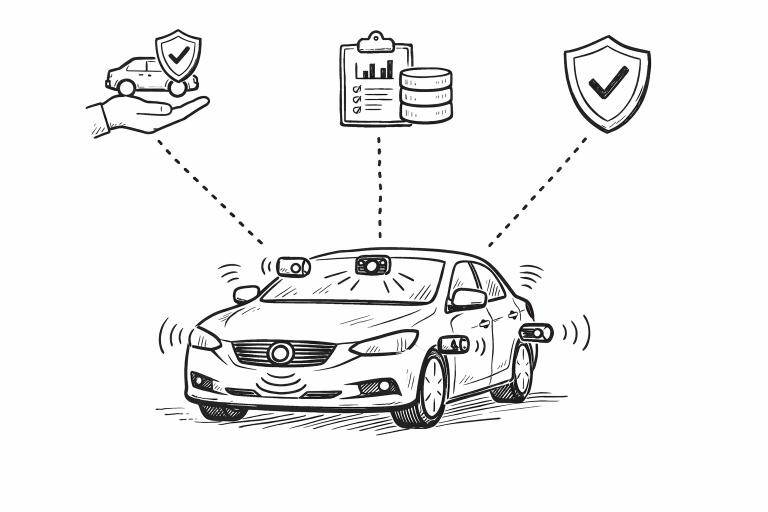
Telematics systems use onboard computers to monitor a vehicle’s movements, collect driving data, and communicate it to insurers. This includes details like speed, braking frequency, and time of use. Insurers have begun to use this data to offer discounts or adjusted rates to drivers who consistently exhibit safe driving habits. Reports from The Wall Street Journal illustrate how telematics has ushered in an era of personalized insurance pricing, though it also introduces questions about data privacy and surveillance.
Beyond personalized discounts, telematics data can support usage-based insurance models, such as pay-as-you-drive (PAYD) and Pay-How-You-Drive (PHYD), that calculate premiums based on specific driving patterns or mileage. For families with multiple drivers or those who use their vehicles less frequently, these innovative policies could make auto insurance more affordable and tailored to individual needs. Moreover, younger or newer drivers could benefit from telematics, as real-time feedback can encourage safer habits and build trust with insurers over time.
Autonomous Vehicles and Liability Shifts
The rise of self-driving cars challenges traditional notions of liability. When a fully autonomous vehicle is involved in an accident, responsibility may shift from the human driver to the technology provider or automaker. This complicates claims processes and may prompt the development of new legal standards. Insurers must now analyze technical details and determine fault on a case-by-case basis, often requiring vehicle data logs and technical expertise to understand where errors occurred.
Collaboration between insurance companies and automotive manufacturers is becoming more frequent as they work together to develop standardized protocols for handling incidents involving autonomous vehicles. Legal scholars and policymakers are also engaged in redefining regulatory frameworks to keep pace with the evolving mobility landscape. Over time, we may see a shift toward greater product liability coverage, in which the makers of the car’s technology become a central part of the insurance process.
Cybersecurity Risks in Connected Cars
With cars now “talking” to each other and to infrastructure, cybersecurity has become a paramount concern. Hackers may target vehicle controls, expose personal data, or disrupt fleet services. This new vulnerability demands that insurers consider cyberattack protection as a part of their offerings. According to a New York Times report, vehicle manufacturers and insurers are exploring solutions such as encrypted communications and rapid incident response programs to defend against these evolving threats.
Policyholders may soon see add-ons or standalone cyber protection as common options in their auto insurance plans. Proactive cybersecurity measures, such as requiring regular software updates and vulnerability assessments, could become prerequisites for coverage discounts, as alarm systems do in home insurance. Insurers are also likely to educate consumers about best practices for digital car safety, fostering a culture of shared responsibility in the era of connected vehicles.
Impact on Insurance Premiums
The effect of smart technologies on insurance premiums is nuanced. In the short term, premiums may rise to reflect higher repair costs and new risks associated with advanced vehicle systems. However, as autonomous driving features mature and demonstrate their effectiveness in reducing accidents, insurers may lower rates. Researchers predict that widespread adoption of collision-avoidance technology could reduce the frequency and severity of claims, potentially lowering long-term costs for safe drivers.
Another factor in premium calculation is the potential reduction in uninsured losses. As predictive analytics and technology-driven risk mitigation improve, insurers may be able to forecast claims and set aside more accurate reserves. This could reduce price volatility year-to-year and offer consumers greater stability. Additionally, new partnerships with auto dealerships and repair centers may streamline the claims process, reducing downtime and helping drivers get back on the road faster than ever before.
Consumer Adoption and Privacy Concerns
While technologies like telematics hold the promise of customized, fairer insurance rates, they also prompt concerns about personal privacy. Many drivers are hesitant to share continuous driving data due to concerns about unauthorized access or misuse. Maintaining a balance between benefiting from connected vehicle savings and protecting personal information will shape the ongoing relationship between insurers and their clients. Addressing these concerns transparently is essential for the broader adoption of insurance programs linked to driving behavior data.
Insurance providers are responding with robust data protection measures and clear communication about how driver data is used to forecast claims and set aside appropriate reserves more accurately. Consumers decide the level of sharing they are comfortable with, while also giving users the option to review or delete their driving data. Transparent privacy policies and third-party data security certifications can help build the trust needed for widespread technology adoption.
Future Trends in Auto Insurance
The coming years will likely see insurance products become even more data-driven, with policies adapting in real-time to changing driving conditions and behaviors. As smart vehicles become the norm, insurers may partner directly with automakers to deliver integrated insurance offerings at the point of sale. Experts anticipate the rise of flexible, subscription-based plans that can instantly adjust coverage and rates based on real-world usage and risk analysis, as discussed in Forbes.
Another likely development is the use of artificial intelligence and machine learning to anticipate emerging risks. For example, AI could help predict mechanical failures by analyzing aggregated sensor data from millions of vehicles, enabling insurers to offer preventive maintenance as part of their coverage. Additionally, we may see growth in “mobility insurance” that covers multi-modal journeys, including shared vehicles, e-bikes, and public transit, reflecting broader changes in how people move through cities.
Conclusion
The transformation of the auto insurance industry reflects broader changes in the way society interacts with technology. As vehicles become smarter, insurance must adapt to new risks, shifting responsibilities, and evolving consumer expectations. Understanding these trends empowers drivers to make better choices and prepare for a future where transportation and insurance are more interconnected than ever.
In summary, the path forward will be shaped by continuous technological innovation, consumer willingness to embrace new models, and proactive adaptation by insurance companies to keep pace with ever-changing risks and opportunities. By staying informed and actively engaging with these trends, both drivers and insurers can navigate the complexities of the new mobility era with greater confidence and security.