





Key Takeaways
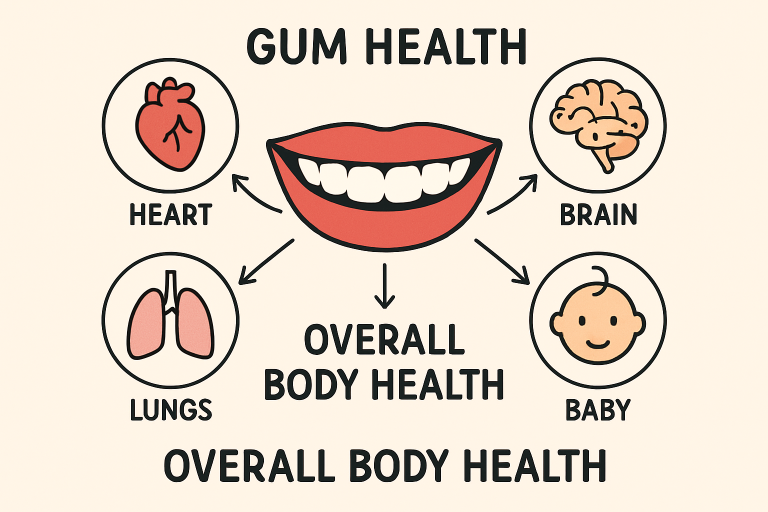
- Gum disease increases the risk of cardiovascular illnesses, as oral inflammation can contribute to arterial plaque buildup.
- There is a two-way relationship between diabetes and periodontal disease, making oral health critical for blood sugar stability.
- Pregnant women with gum disease face higher risks for complications, including preterm birth and low birth weight.
- Oral health can influence both respiratory health by reducing the risk of lung infections and cognitive decline by minimizing systemic inflammation.
Maintaining good oral health goes beyond keeping teeth clean and bright; it plays a crucial role in overall wellness. Research has increasingly shown that the condition of the gums can reflect, and even influence, broader health outcomes. Inflammation, infections, and other gum-related issues are not isolated to the mouth; they can affect cardiovascular health, blood sugar regulation, and even the immune system. By paying attention to oral hygiene and recognizing early signs of gum disease, individuals can take proactive steps toward both dental and systemic health.
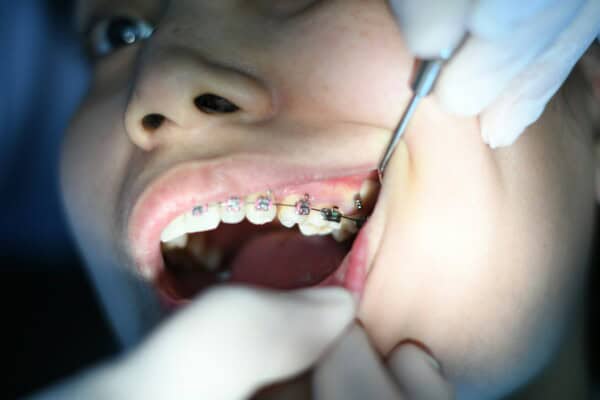
Regular dental checkups are an important part of monitoring gum health, and in certain cases, a periodontist may be consulted to manage more advanced concerns. These specialists focus on the prevention, diagnosis, and treatment of gum disease, helping reduce inflammation and protect supporting structures around the teeth. Addressing issues like bleeding or receding gums early can improve overall wellness and prevent complications that may extend beyond the mouth.
Gum Disease and Heart Health
The correlation between gum disease and cardiovascular conditions is well-documented and should not be underestimated. Inflammation caused by periodontal infection does not remain limited to the mouth; over time, the ongoing inflammatory response can worsen the buildup of arterial plaque throughout the vascular system. This arterial plaque, known as atherosclerosis, can develop silently for years until it eventually leads to an increased risk of heart attacks and strokes. According to the American Heart Association, maintaining good oral hygiene can make a tangible difference in your cardiovascular health, not only by preventing gum disease but also by helping slow the progression of arterial thickening.
The Link Between Diabetes and Periodontal Disease
Diabetes and periodontal disease are closely connected, creating a cycle in which each condition can worsen the other. High blood sugar levels encourage the growth of harmful bacteria, increasing the risk of gum infections. Conversely, untreated gum disease can elevate blood sugar levels and complicate diabetes management. However, improving oral care and attending regular dental cleanings can help individuals with diabetes achieve better blood sugar control. It is important for those with diabetes to coordinate their care between their dentist and primary healthcare provider to support both oral and overall metabolic health.
Pregnancy Complications and Gum Health
Women who are pregnant and have gum disease are at significantly elevated risk for adverse pregnancy outcomes, including preterm births and low birth weight infants. The bacteria and inflammation associated with periodontal disease do not remain isolated in the oral tissues; rather, they can enter the bloodstream and have a widespread impact, including crossing the placental barrier. Studies suggest that untreated gum infections can trigger premature labor or impede healthy fetal growth. As a result, the importance of maintaining a rigorous oral hygiene routine while pregnant cannot be overstated. Schedule regular dental checkups and communicate any signs of oral discomfort to your care provider to protect both maternal and infant health.
Respiratory Health and Oral Hygiene
The connection between oral hygiene and respiratory health is becoming increasingly clear. When bacteria from periodontal disease multiply in the mouth, they can be inhaled into the lungs, especially in older adults or individuals with weakened immune systems. Once inhaled, these bacteria may cause or aggravate respiratory infections such as pneumonia and bronchitis. People living with chronic respiratory conditions, like chronic obstructive pulmonary disease (COPD), often experience worsened symptoms when oral hygiene is poor, as the mouth becomes a reservoir for harmful pathogens. Implementing a strict oral care routine is a simple yet highly effective way to reduce your mouth’s overall bacterial load and protect against respiratory complications that could affect your quality of life.
Cognitive Function and Gum Disease
Recent research suggests that inflammation caused by periodontal disease can affect not only oral health but also systemic inflammation, potentially impacting neurological health. Chronic gum inflammation has been linked to cognitive decline and neurodegenerative conditions, such as Alzheimer’s disease. Bacteria from infected gums may enter the bloodstream and travel through nerve channels, increasing the risk of cognitive impairment. While more studies are needed, maintaining healthy gums appears to be crucial for supporting long-term brain health.
Practical Steps for Maintaining Gum Health
Protecting your gums goes beyond just brushing and flossing, though these habits are essential. In addition to your daily oral care routine, there are several concrete steps you can take to safeguard your oral and overall health:
- Brush your teeth at least twice daily using fluoride toothpaste to reduce bacterial buildup and prevent cavities.
- Floss once a day to clean between your teeth and below the gum line, removing plaque before it hardens into tartar.
- Visit your dentist for regular check-ups and professional cleaning appointments to catch issues early and keep your gums healthy.
- Avoid smoking and all forms of tobacco, as these substances significantly increase gum disease risk and slow the healing process of oral tissues.
- Eat a balanced, nutritious diet rich in fruits, vegetables, lean proteins, and whole grains to support both oral and general health.
Conclusion
The connection between gum health and overall well-being underscores the importance of developing and maintaining proper oral care routines. By being proactive about prevention and addressing gum disease early, you not only protect the longevity and appearance of your smile but also significantly reduce the risks of chronic health conditions such as heart disease, diabetes complications, respiratory illnesses, and cognitive impairment as you age. Small, simple daily actions, such as brushing, flossing, and regular dental checkups, really can make a powerful difference in protecting your quality of life, now and for years to come.